







Current language version: English


Diversification Junrui
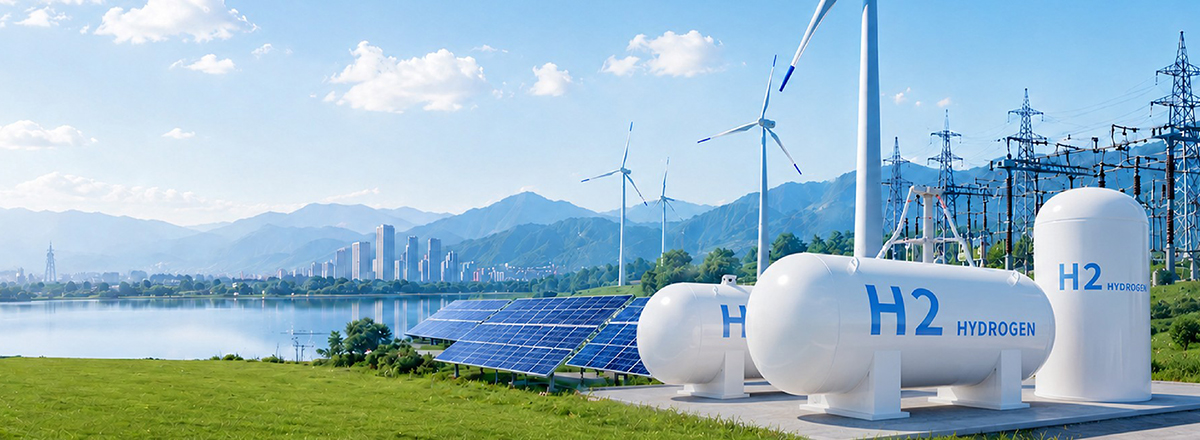
Aligning closely with national "Dual Carbon" strategies and energy security mandates, the Group has pioneered a "1+N" holistic hydrogen ecosystem development model. With the "National Hydrogen Network" serving as the overarching strategic framework, the Group coordinates a backbone layout—comprising "West-to-East," "North-to-South," and "Offshore-to-Onshore" hydrogen flows—while establishing cross-regional hydrogen pipelines, multimodal (water-land) transport systems, and an integrated smart dispatch platform. This creates a major hydrogen industry artery connecting north to south and linking land with sea. Along this network, the Group deploys "N" full-chain industrial clusters covering six core sectors: distributed green hydrogen production, intelligent manufacturing of green methanol and green ammonia, trunk-line hydrogen refueling, port-based bunkering and storage, and basalt-based green building materials. This forms an integrated, zero-carbon industrial closed loop—encompassing production, storage, transportation, refueling, end-use, and supporting services—thereby continuously delivering the "Junrui Solution" for the nation's green transition.
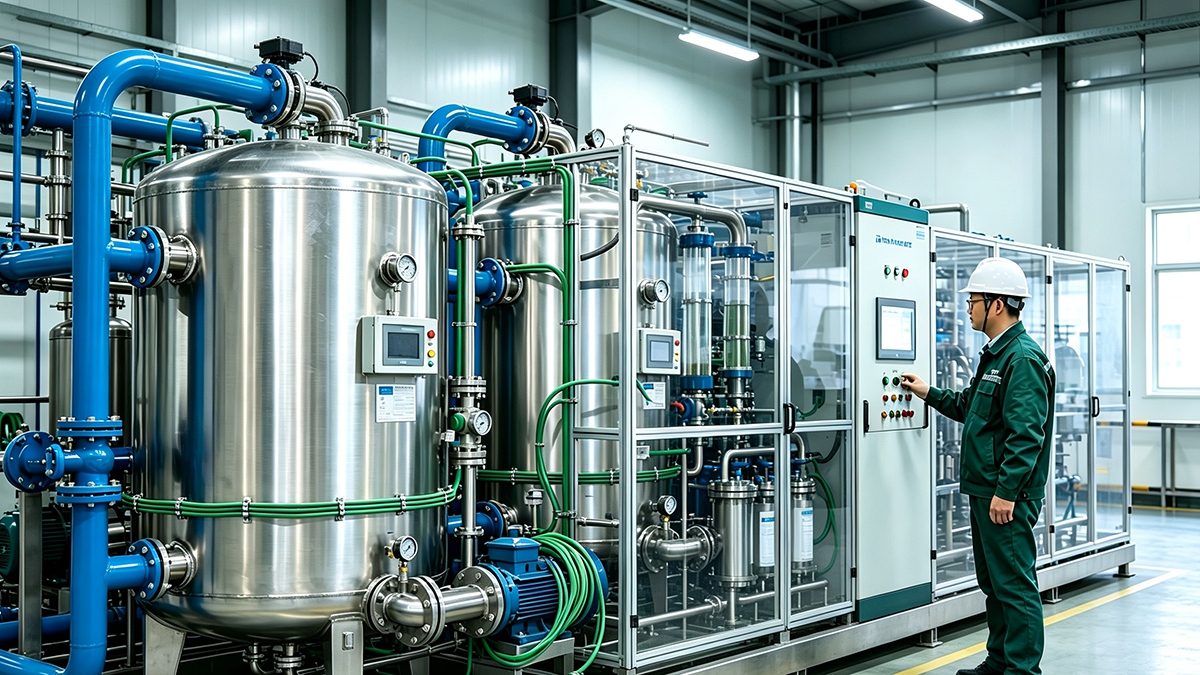
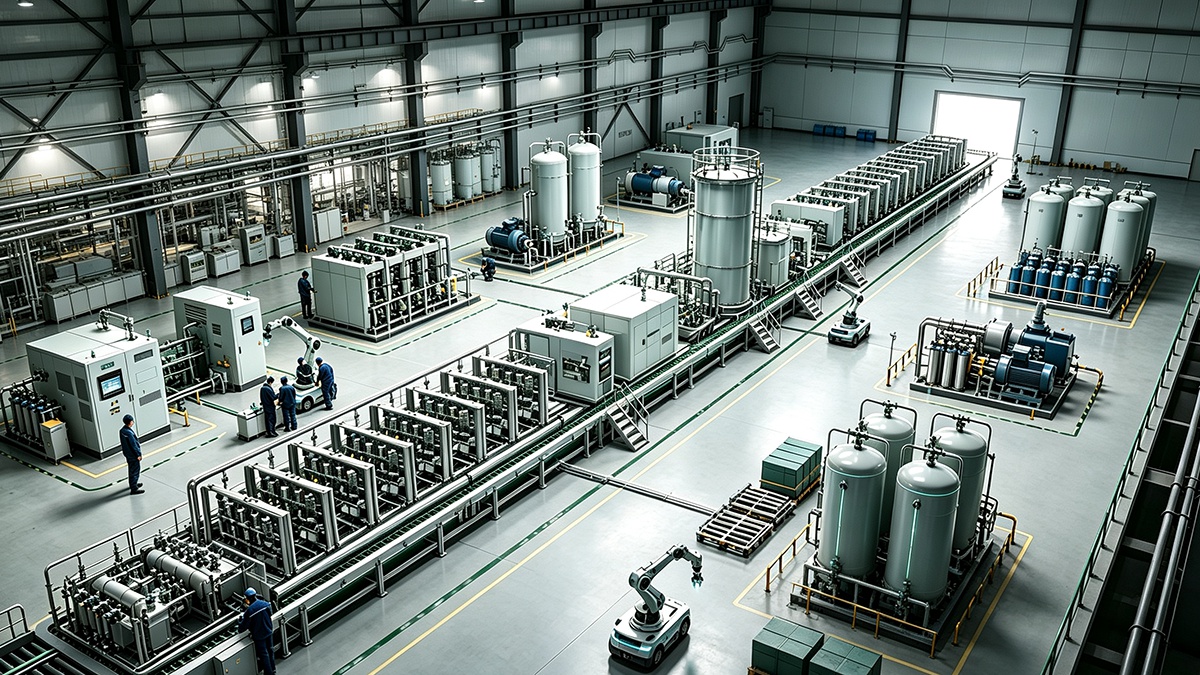
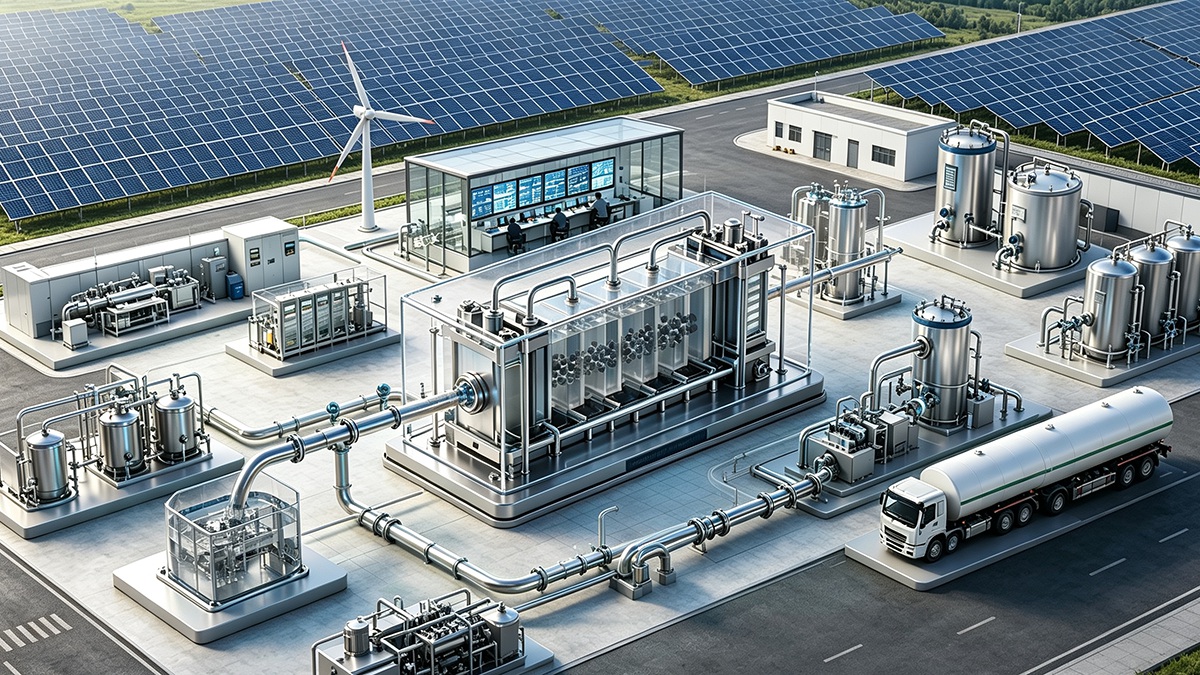
Green hydrogen production
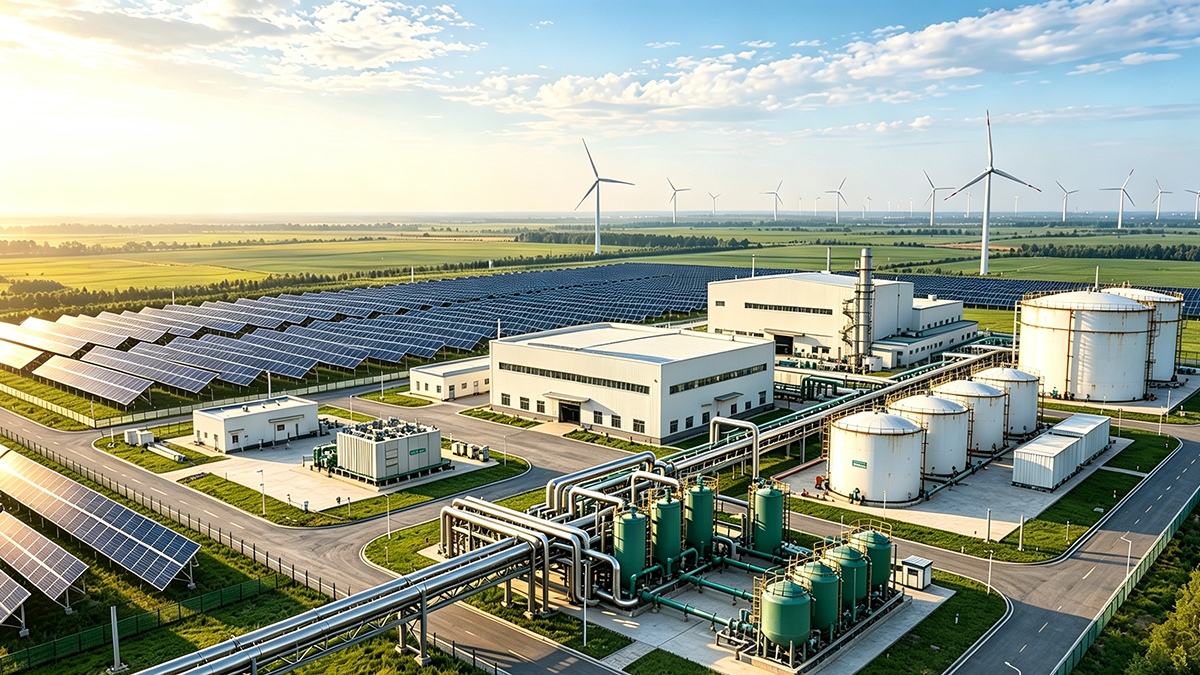
Centering on the wind and solar resource-rich "Three-North" regions (Northwest, North China, and Northeast), we are establishing large-scale bases for hydrogen production via wind- and solar-powered water electrolysis. By leveraging low-cost green electricity to ensure the stable output of high-purity, zero-carbon green hydrogen, we are solidifying upstream production capacity and securing the source of fuel supply for the entire value chain.
Click to learn more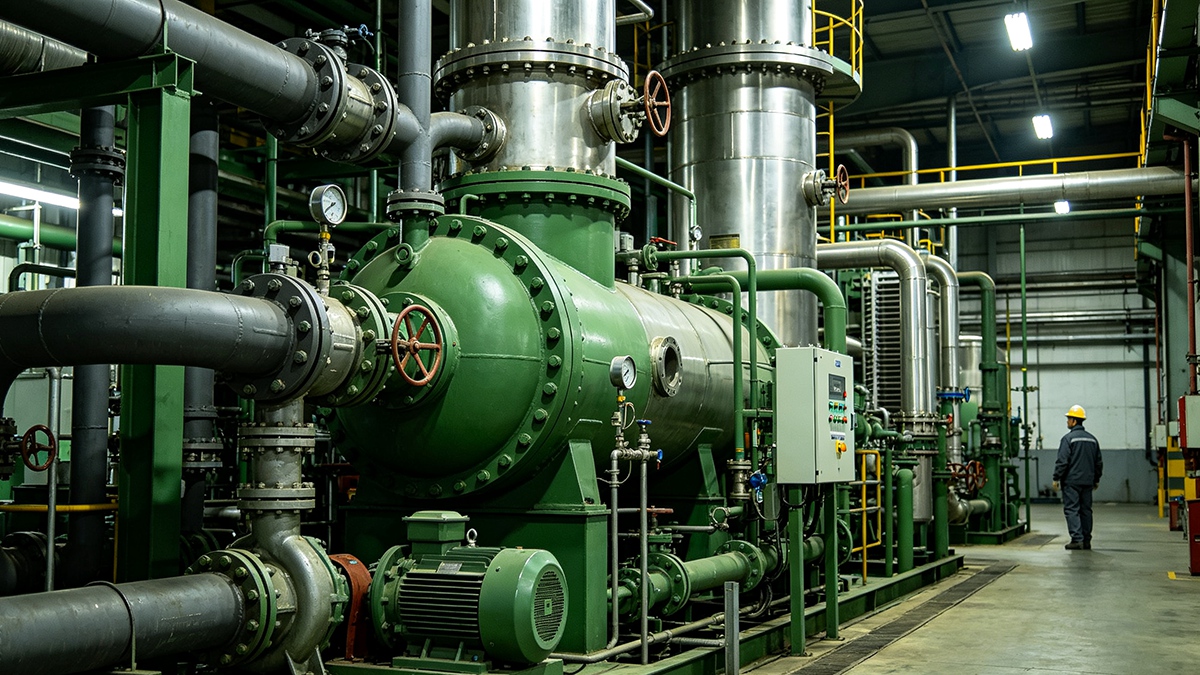
Green methanol
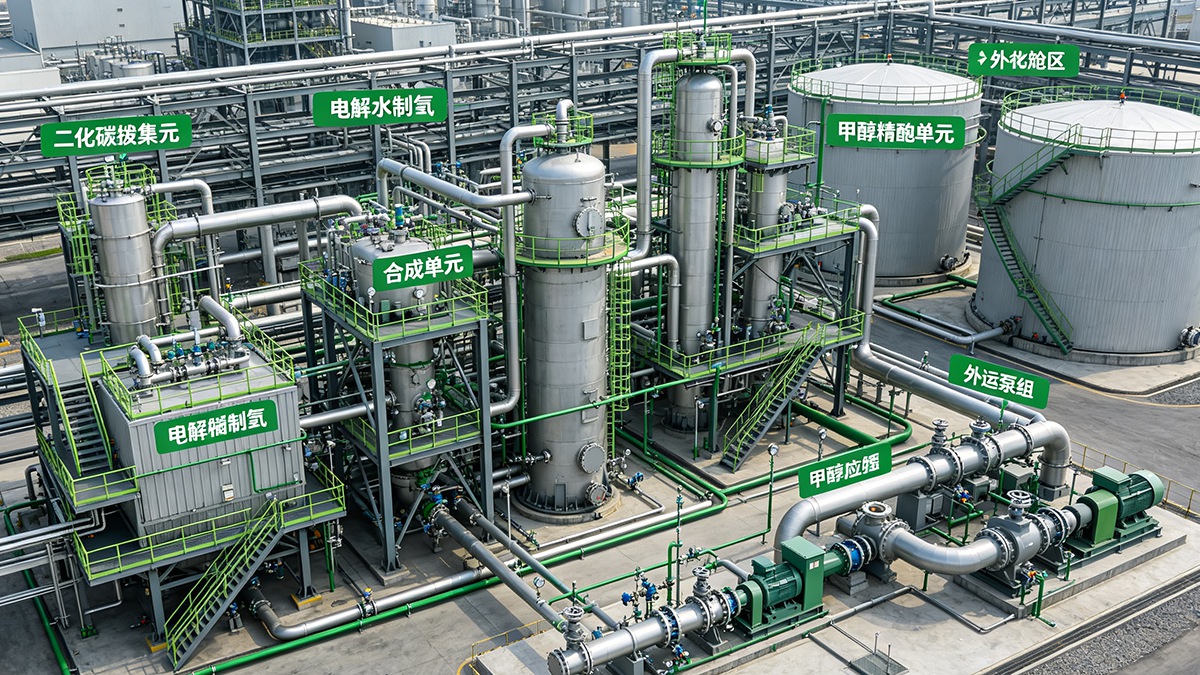
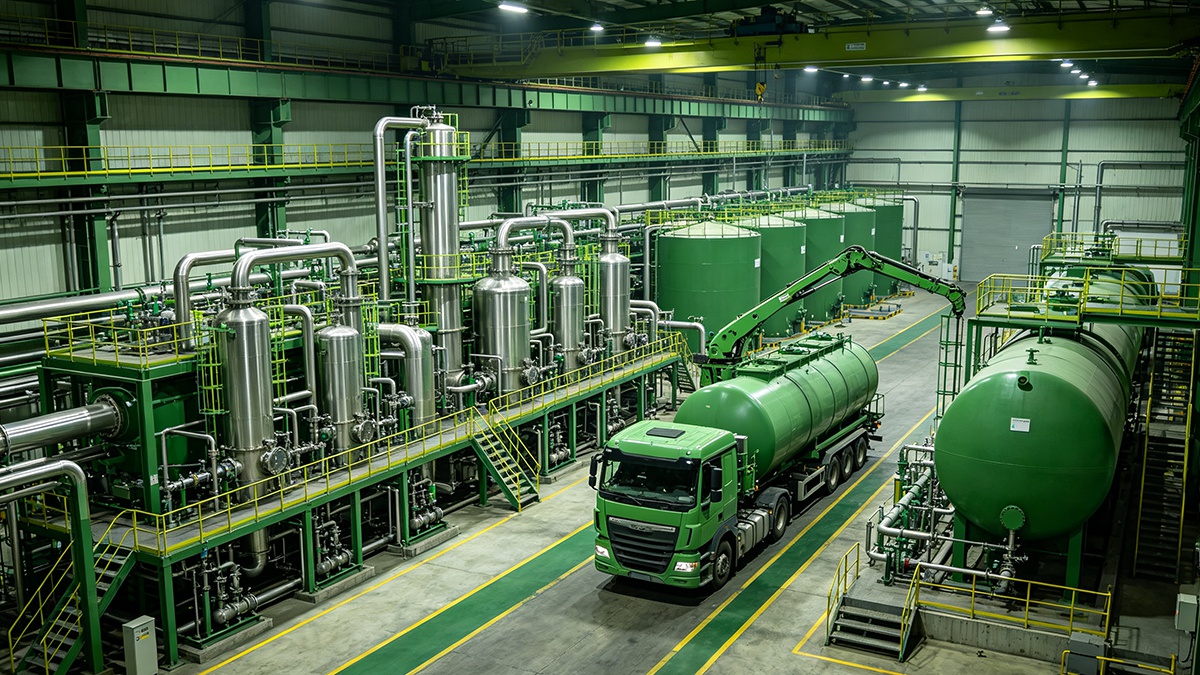
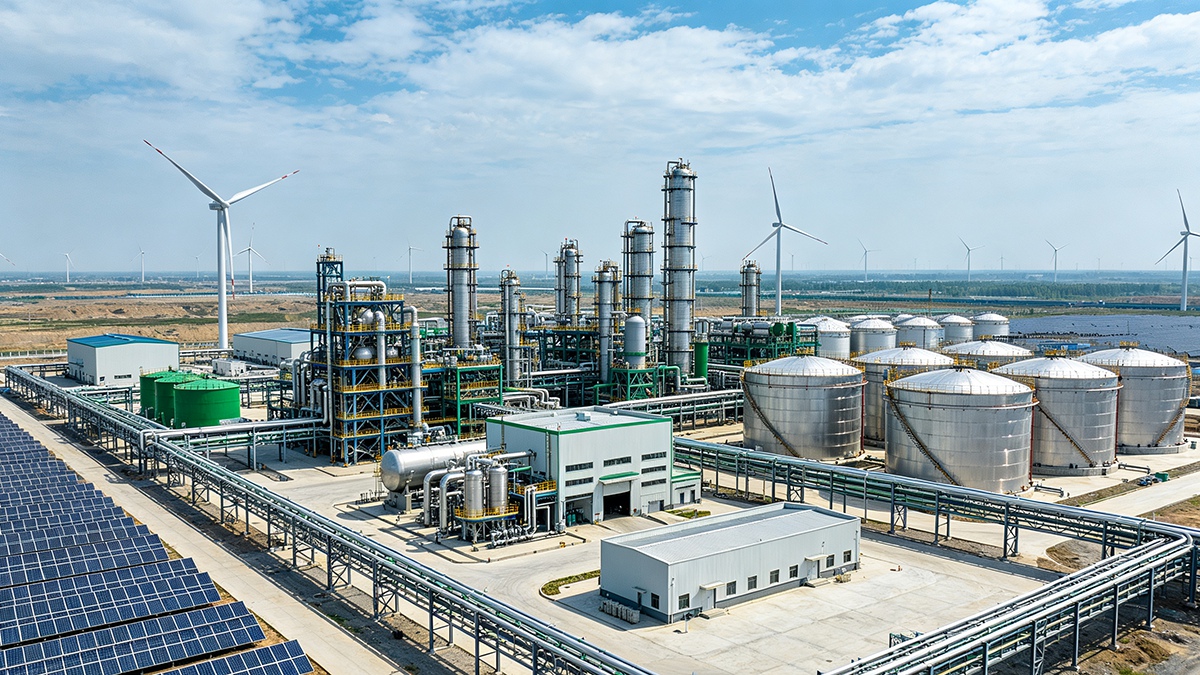
This green methanol project utilizes straw gasification as the source of carbon and hydrogen, supplemented by hydrogen produced via water electrolysis powered by wind and solar energy. Waste heat from the biomass gasifier serves as the thermal source for thermoelectric power generation, meeting the plant's total electricity needs, while steam for the methanol compressors is also supplied by the gasifier. The facility operates entirely on green electricity and achieves lower green production costs than industry peers, utilizing cutting-edge domestic technologies in its process flow.
Click to learn more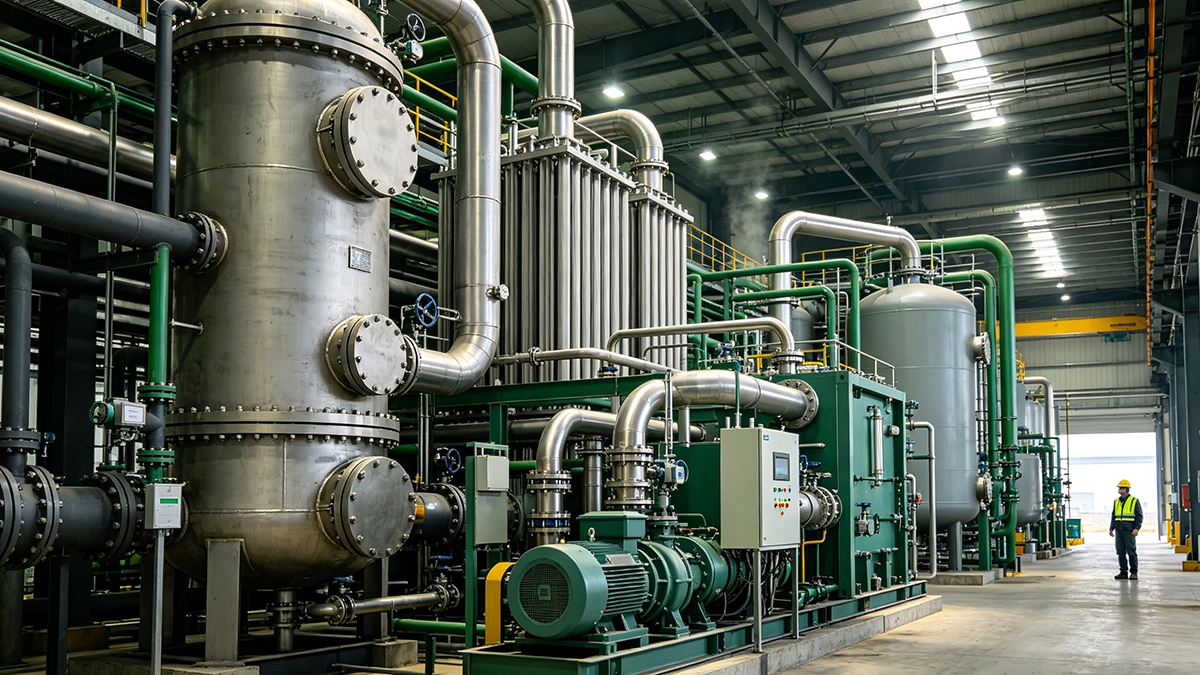
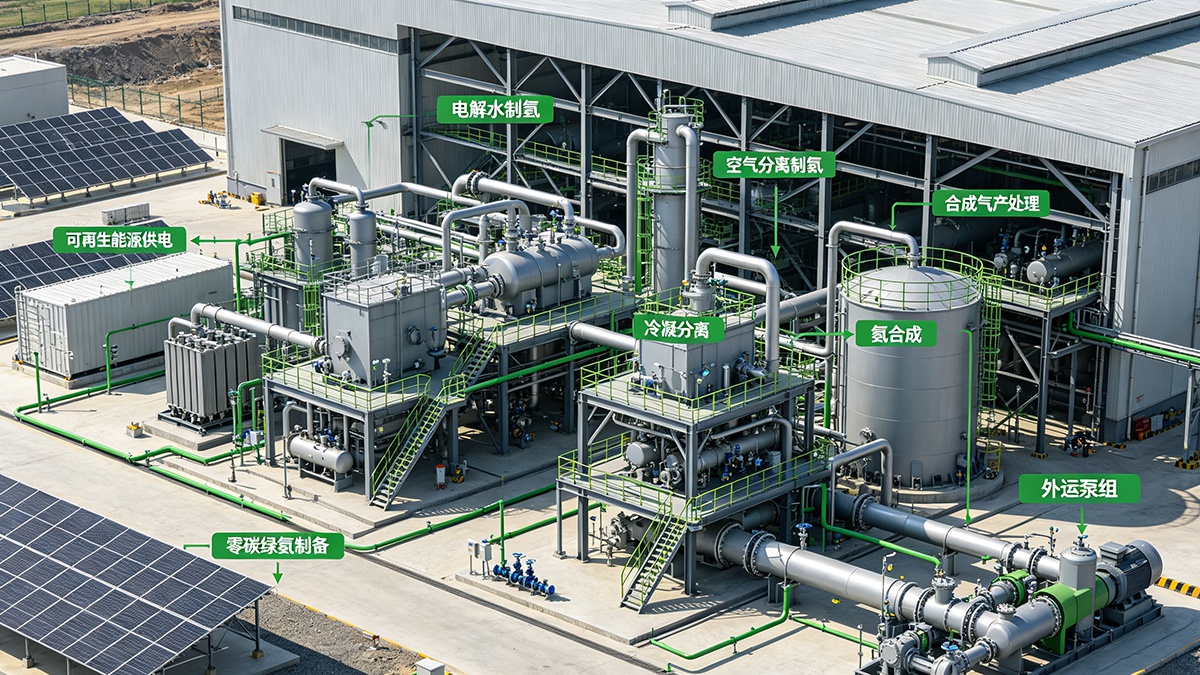
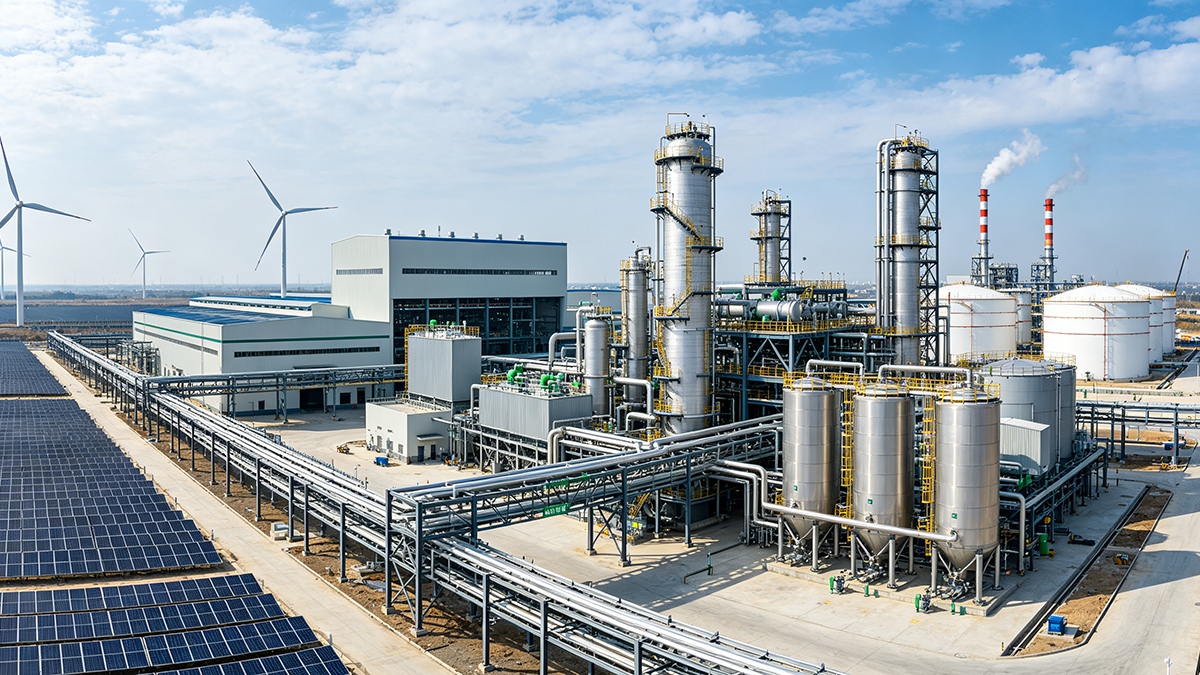
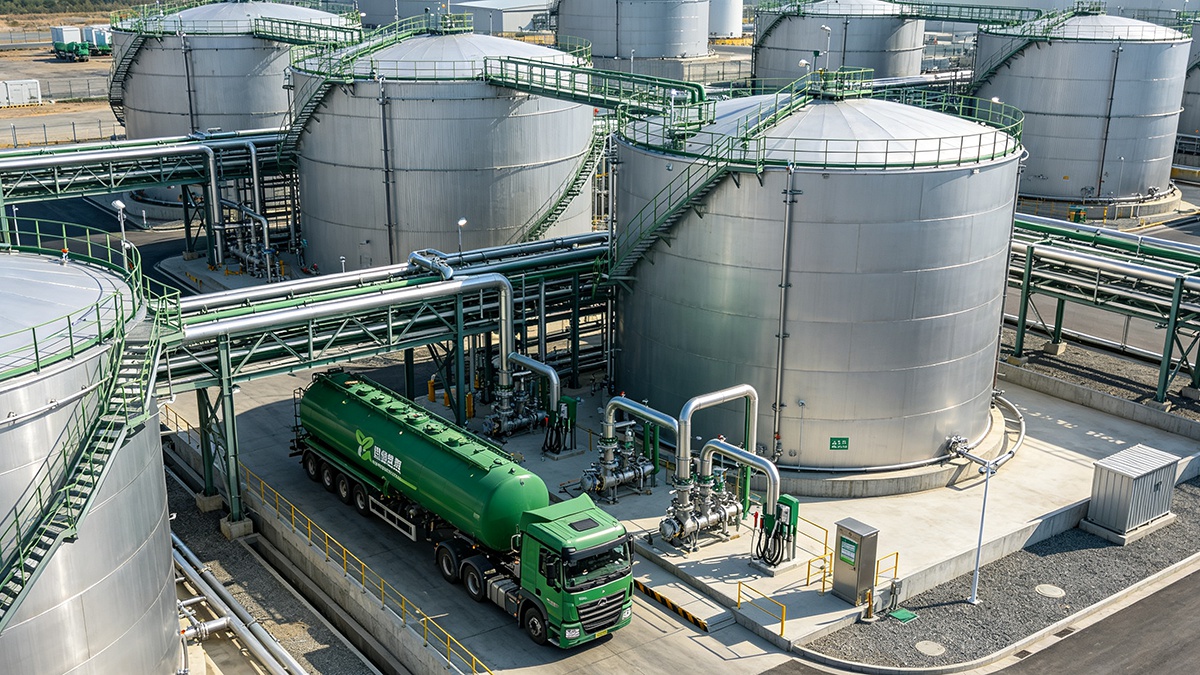
Zero-carbon green ammonia
Leverage green hydrogen synthesis technology to establish smart production bases for green ammonia with capacities ranging from ten thousand to one hundred thousand tons, addressing both the decarbonization needs of domestic energy-intensive industries and the demand for zero-carbon fuel exports.
Click to learn more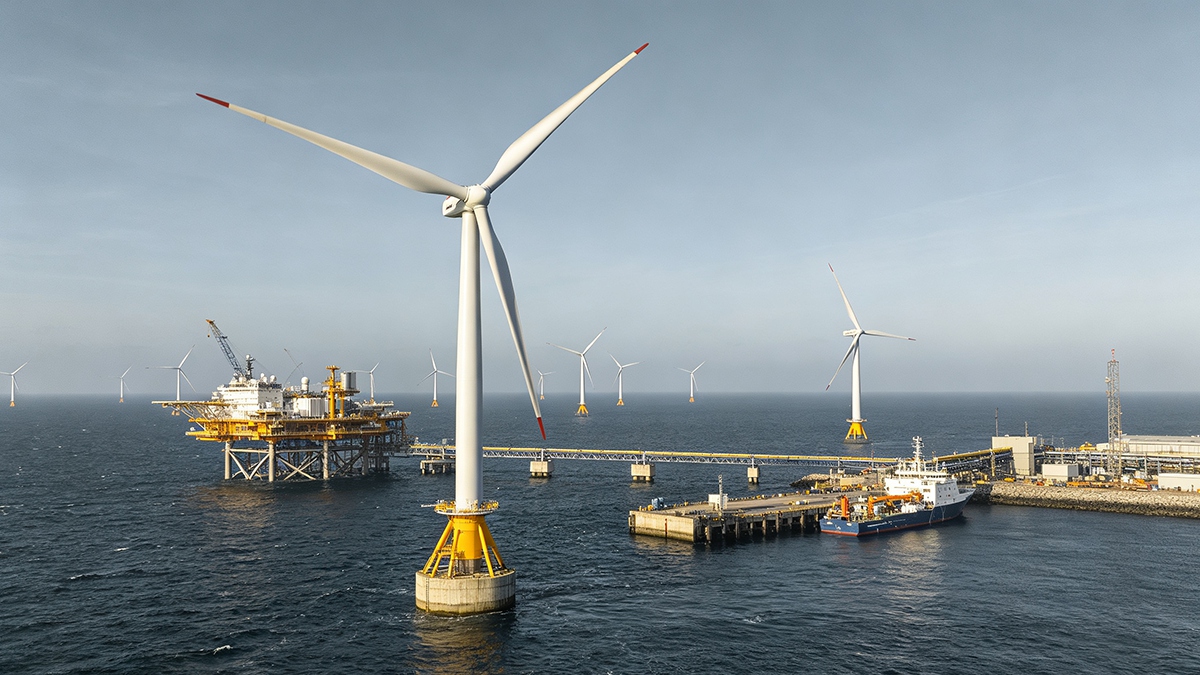
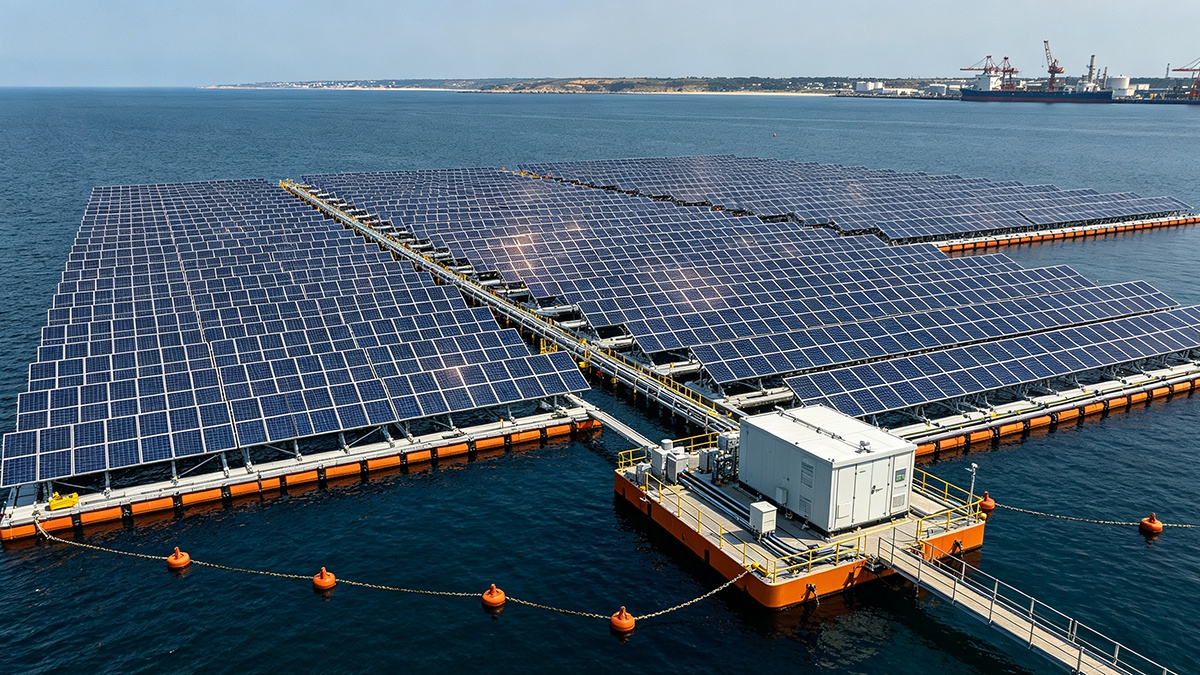
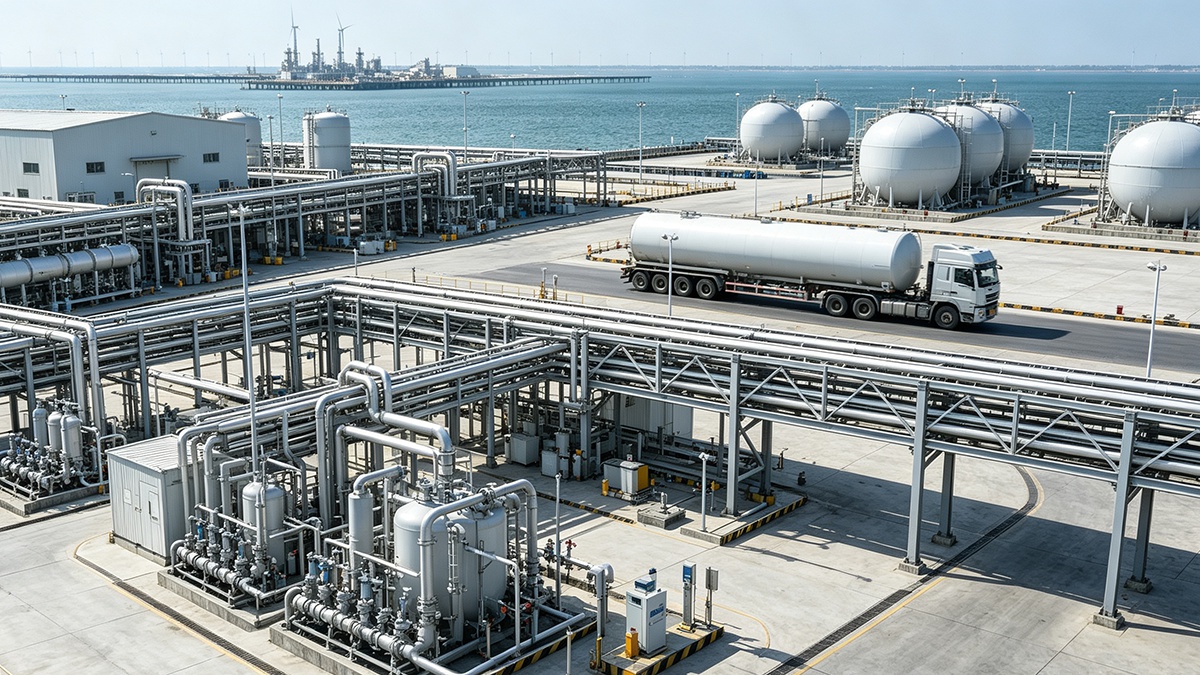
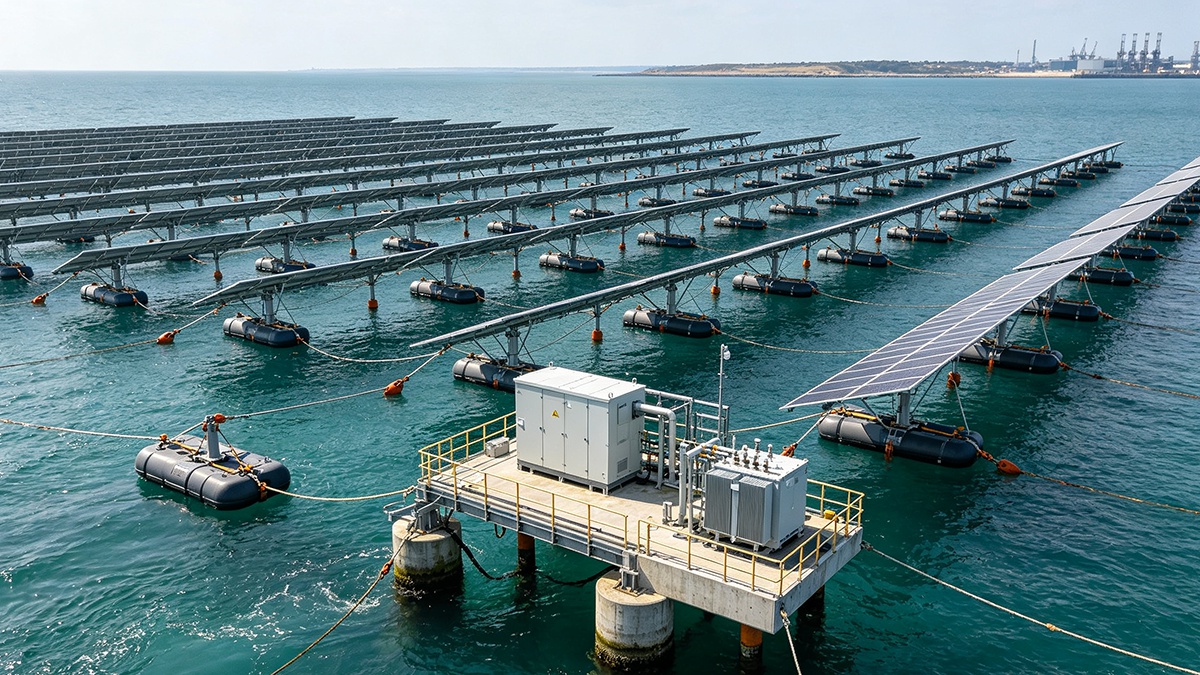
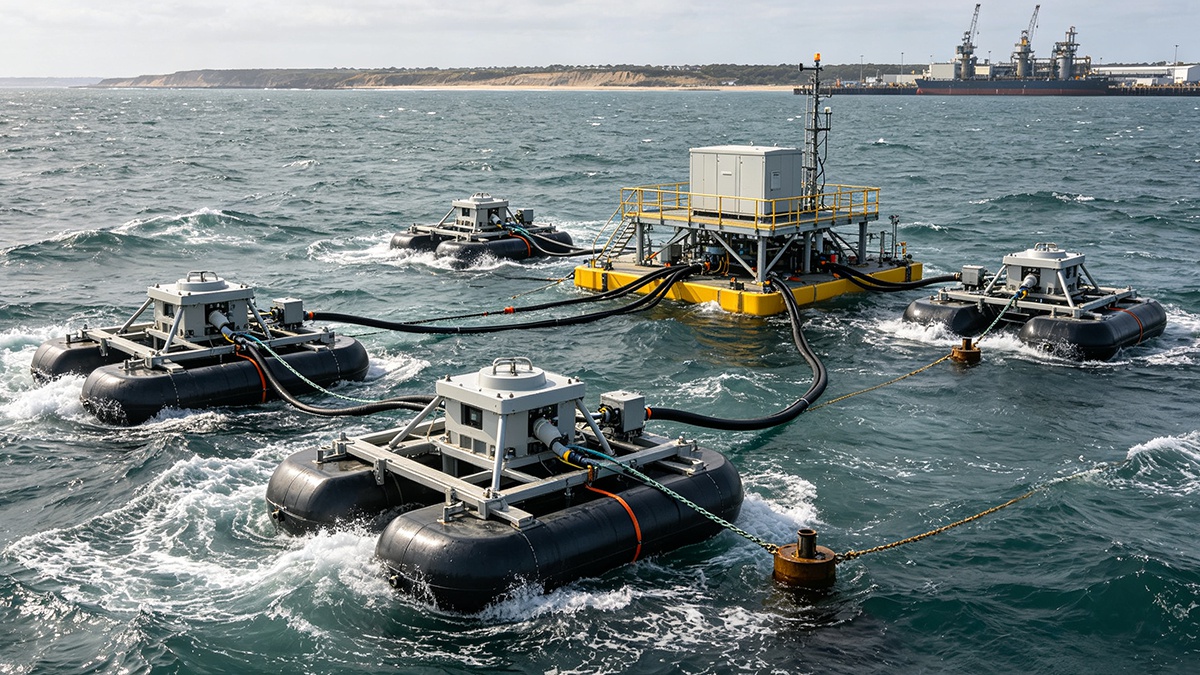
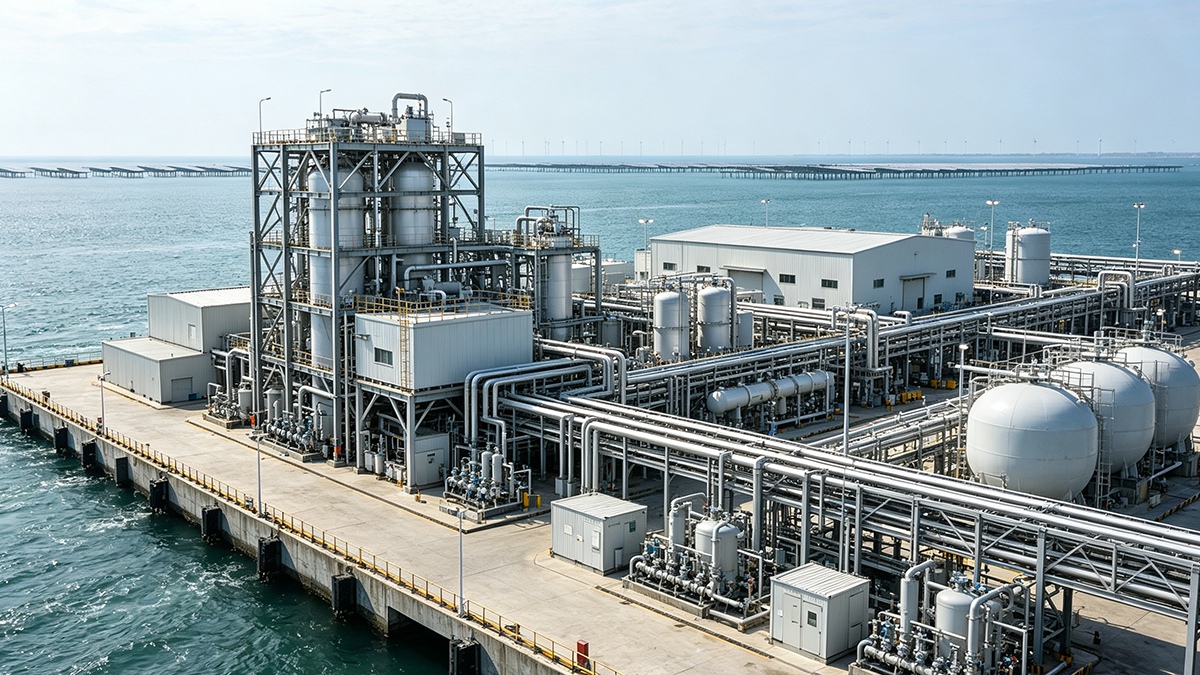
Hydrogen Sail Sets Sail
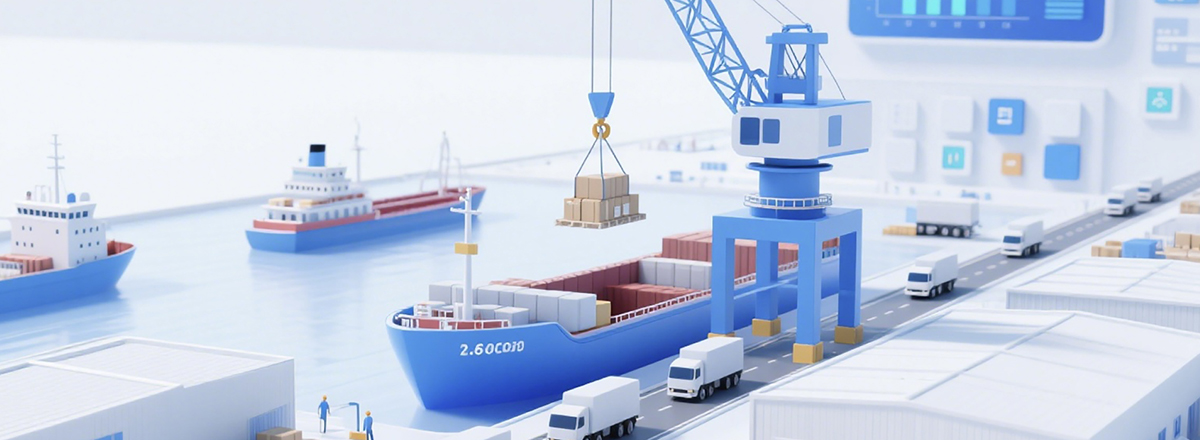
Leveraging core coastal ports and hub ports along the Yangtze River trunk line, we are establishing offshore refueling stations and temperature-controlled storage facilities to integrate unloading, storage, transshipment, and refueling, thereby powering long-haul voyages with hydrogen energy.
Click to learn more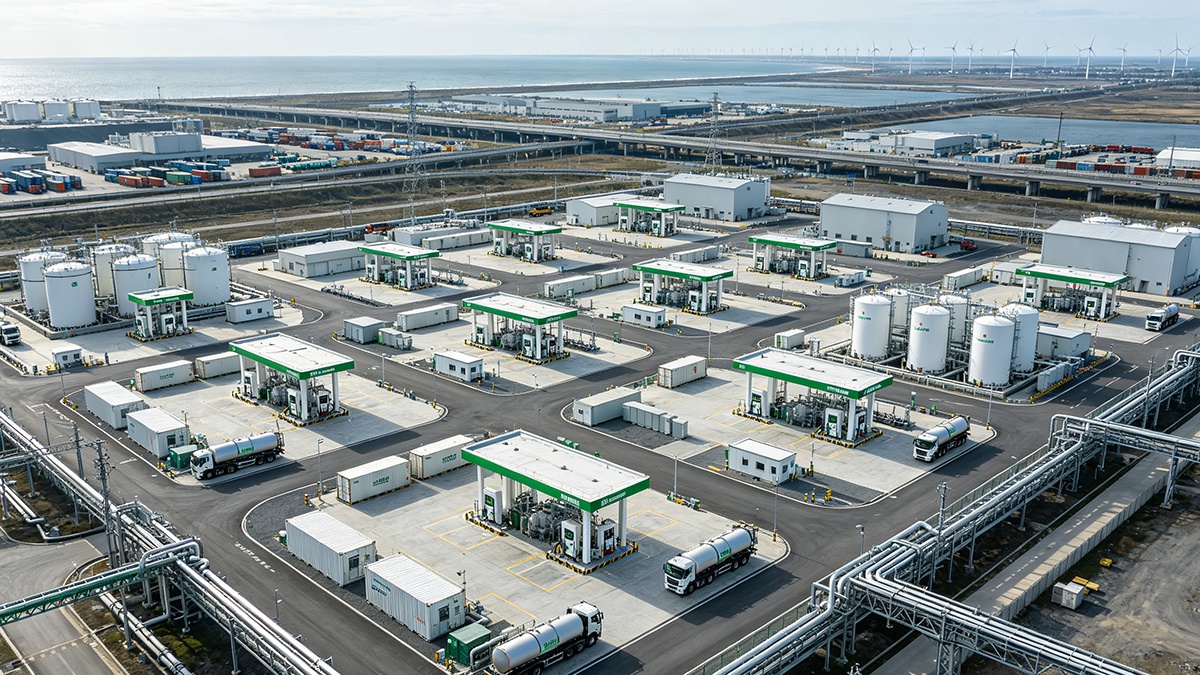

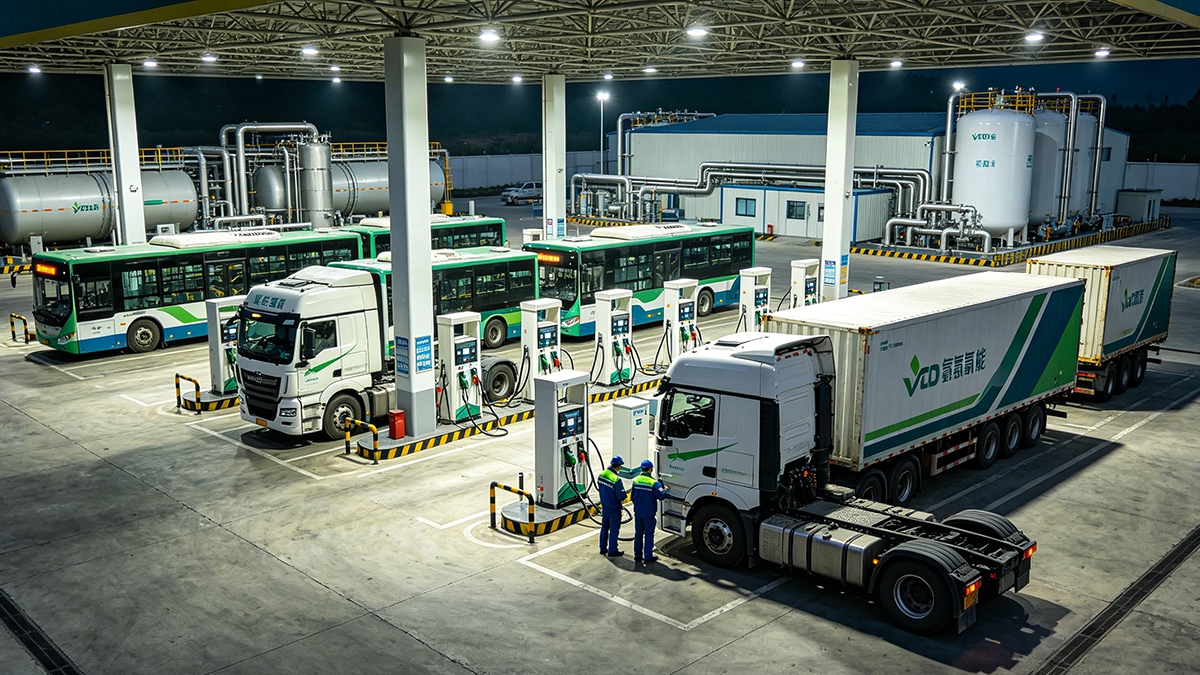
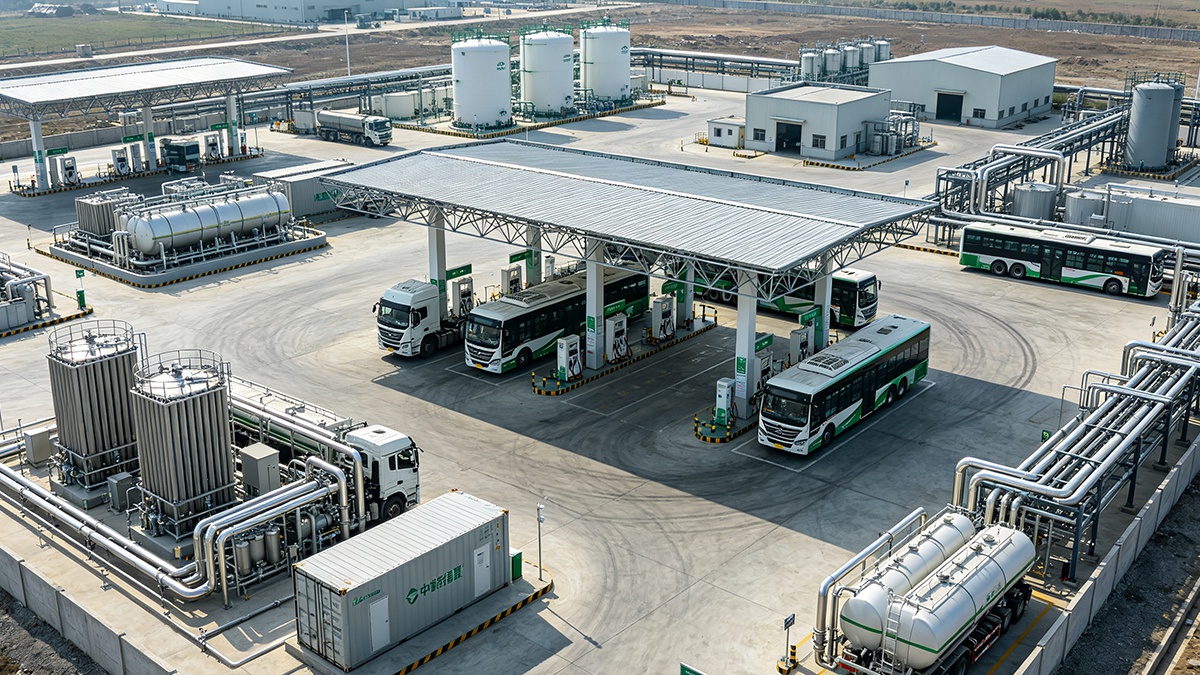
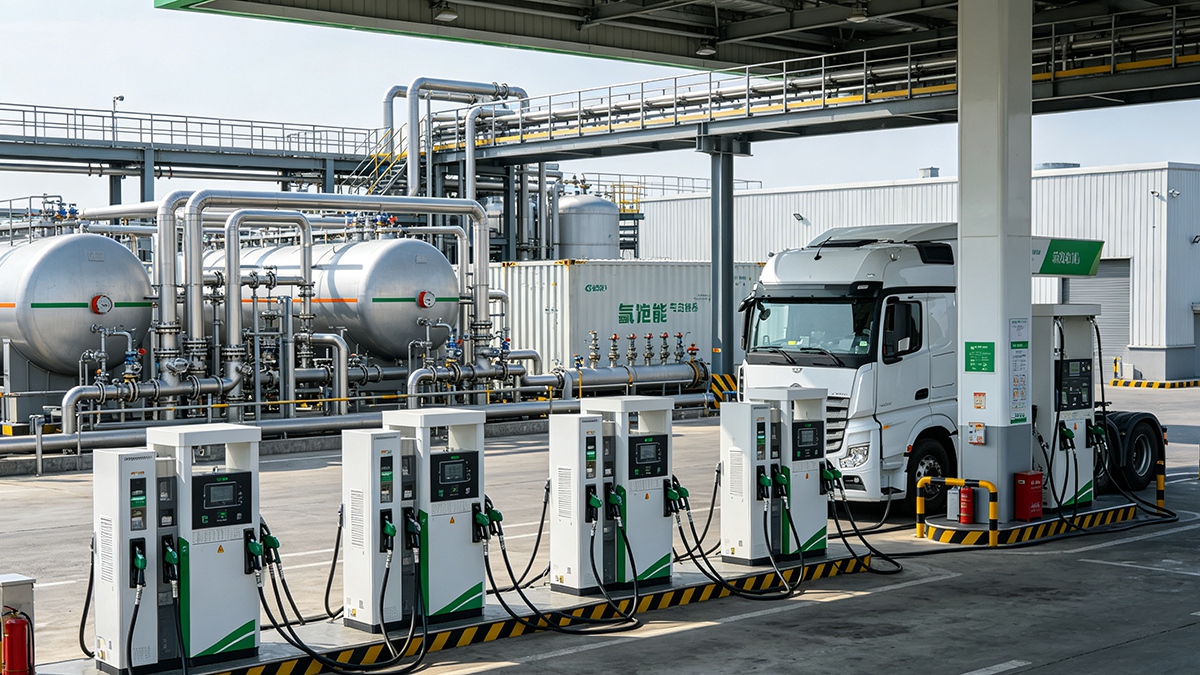
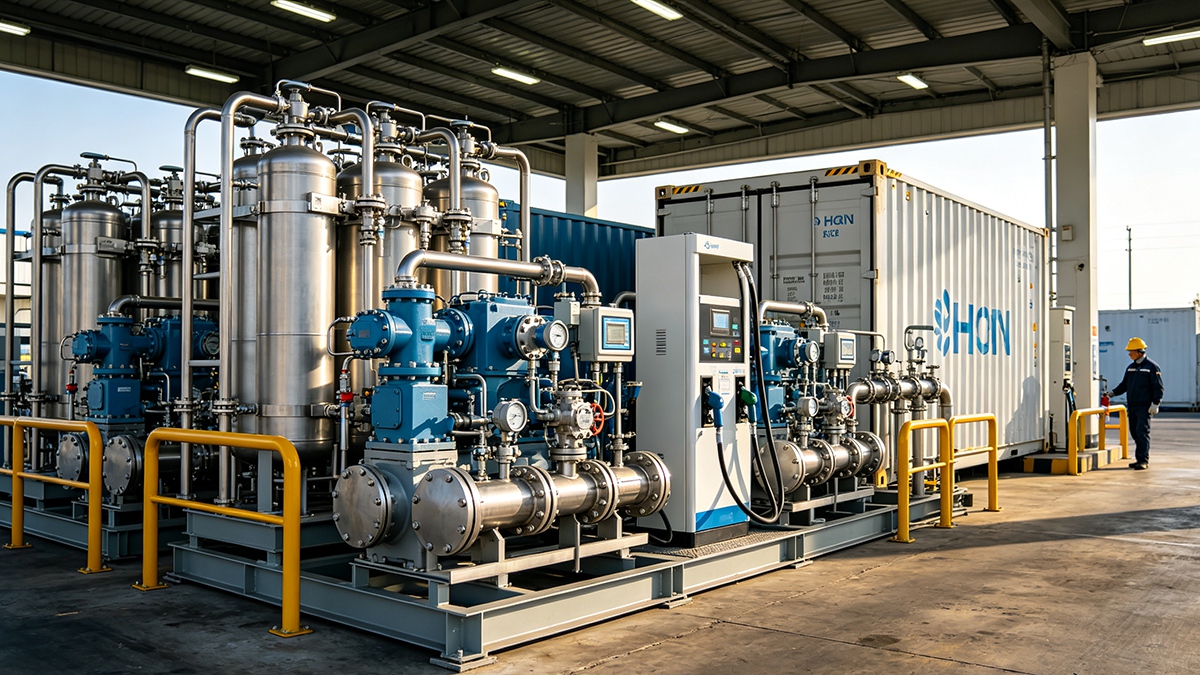
Hydrogen Refueling Station Matrix
Staged deployment of fixed and mobile hydrogen refueling stations along national trunk transmission lines, national highways, and inland waterways to meet the hydrogen refueling needs of heavy-duty trucks, construction machinery, and short-haul vessels.
Click to learn more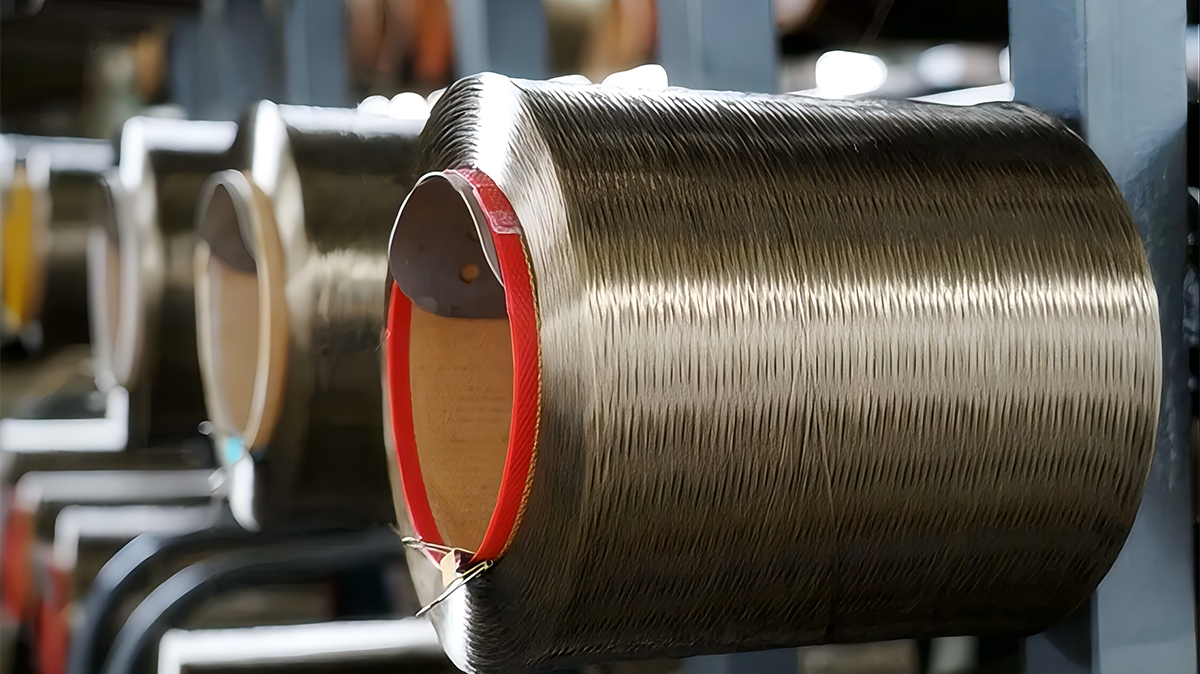
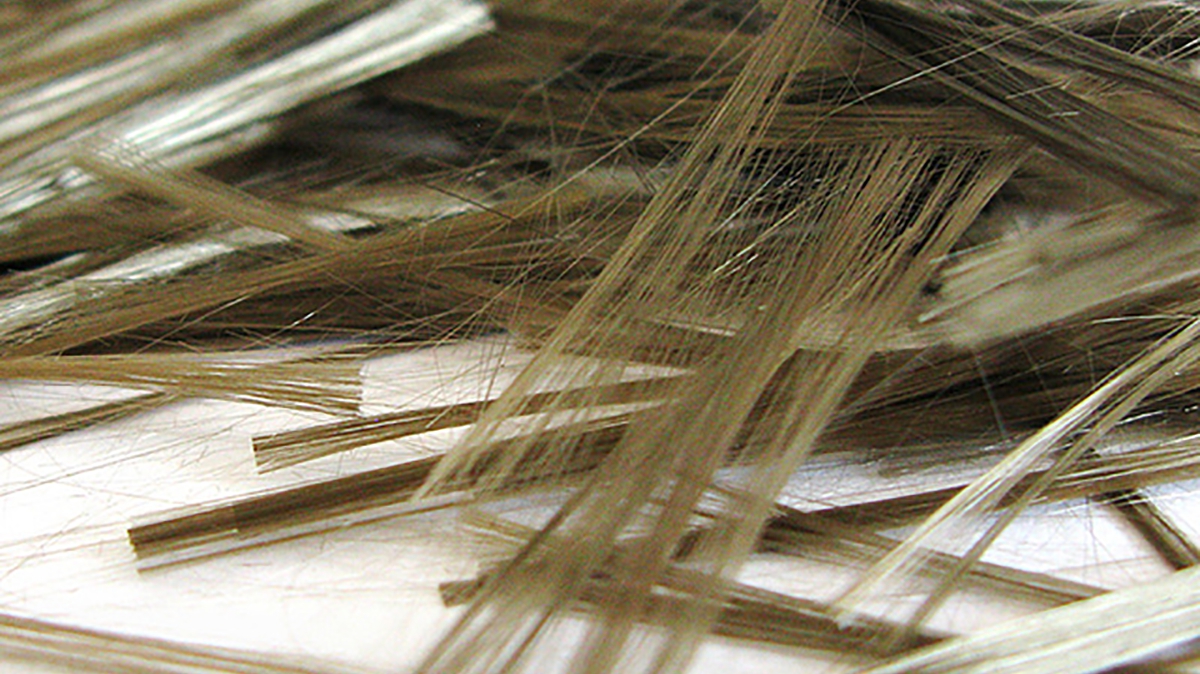
Basalt fiber
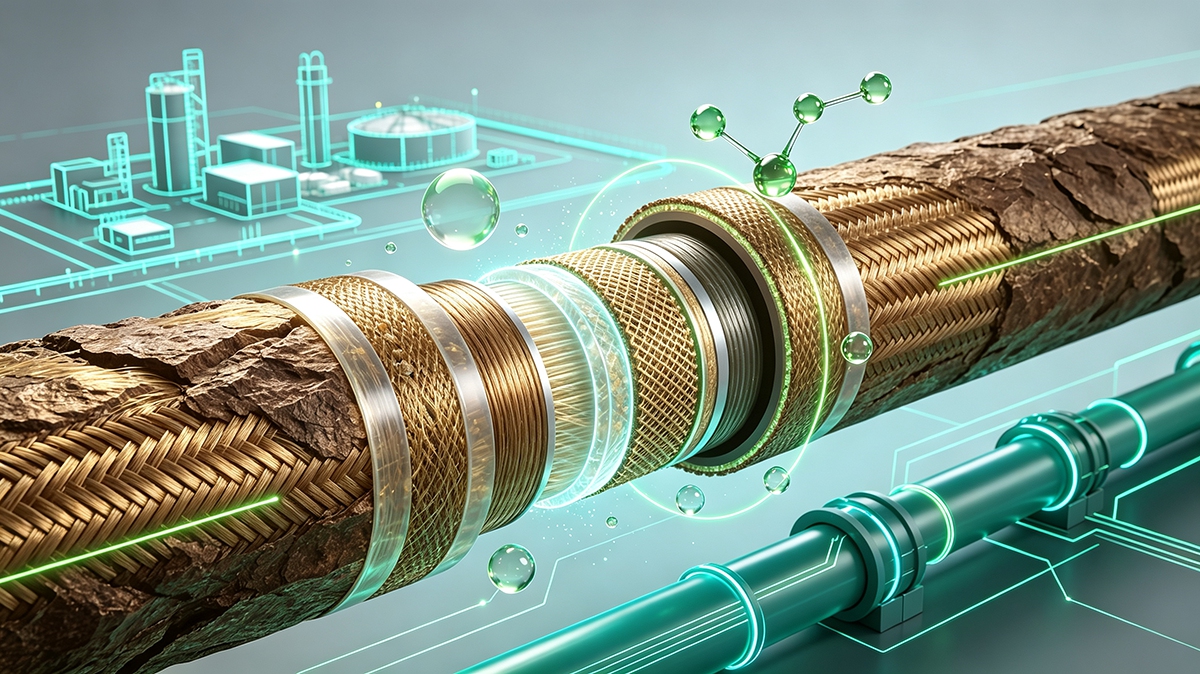
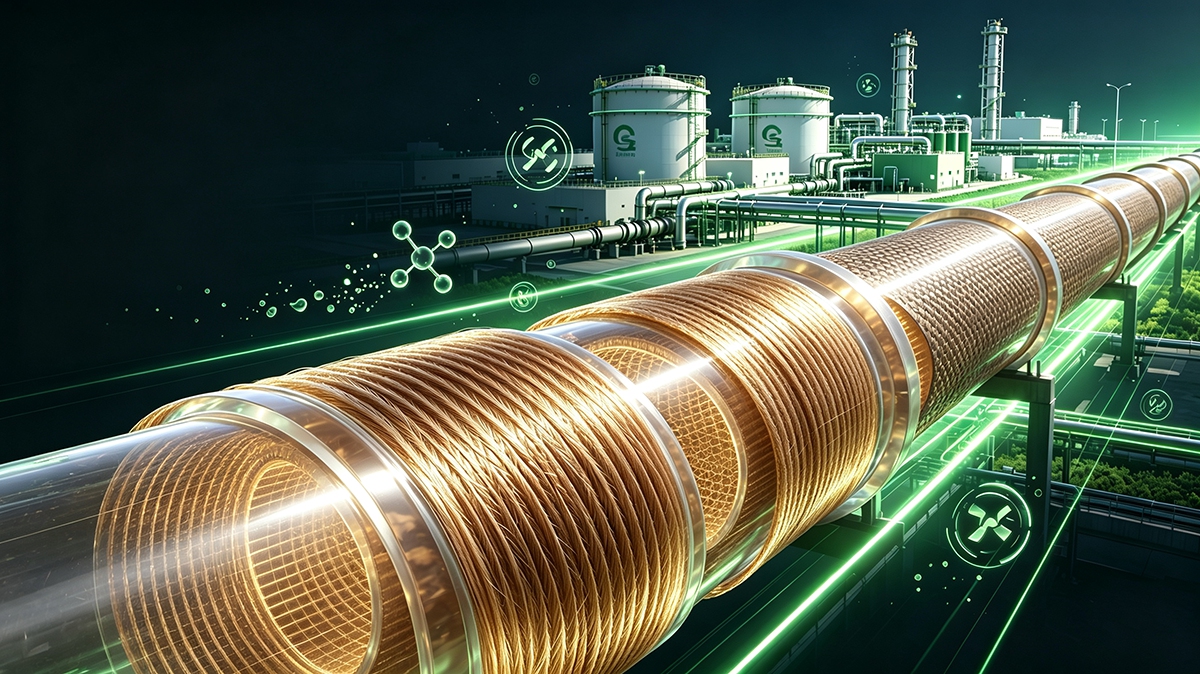
Leveraging the abundant surplus green electricity available at the hydrogen production industrial park, this initiative establishes intelligent production lines for high-performance basalt fiber and advanced composite piping, creating an integrated green building materials sector that combines sustainable raw material supply, clean energy-powered production, and smart manufacturing of high-end products. Utilizing natural volcanic basalt ore as the base material, the entire process—from melting and fiber drawing to modified weaving and composite molding—is powered by zero-carbon green electricity; with no consumption of fossil fuels and no generation of hazardous waste, the project achieves a truly closed-loop, ecologically sustainable model of natural resource utilization.
Leveraging the material properties of basalt fiber—such as high strength, high modulus, and resistance to acid-alkali corrosion, aging, and hydrogen embrittlement—we are developing and manufacturing high-pressure basalt fiber composite pipelines and integrated network systems tailored for hydrogen energy systems. This initiative addresses industry-wide challenges associated with traditional metal pipelines, including susceptibility to corrosion and hydrogen embrittlement, high operation and maintenance costs, and limited service life. By establishing an integrated industrial chain linking "green electricity, basalt fiber, and hydrogen-specific composite piping," we provide domestically produced, low-carbon, and high-performance core solutions for pipeline networks—supporting the "West-to-East Hydrogen Transmission" project and regional hydrogen infrastructure development, thereby powerfully driving the large-scale, high-quality growth of the hydrogen energy industry.


Landline: 023-88600888
Landline: 023-88600888
Address: 20th Floor, Building 1, Yuntu Center, Liangjiang New Area, Chongqing
©2026-2031 JunRui Clean Energy Technology Group 版权所有 备案号:渝ICP备2026016952号-1